




The Ministry of Labour is implementing a 2026-2030 development plan for Oman’s vocational training system aimed at aligning programmes and specialisations with labour market needs and preparing national talent for emerging professions.
Dr Maimouna bint Abdullah al Rawahi, Assistant Director-General of Vocational Colleges at the Ministry of Labour, said the development of vocational training is based on continuously assessing current and future labour market requirements and anticipating changes in economic and technological sectors.
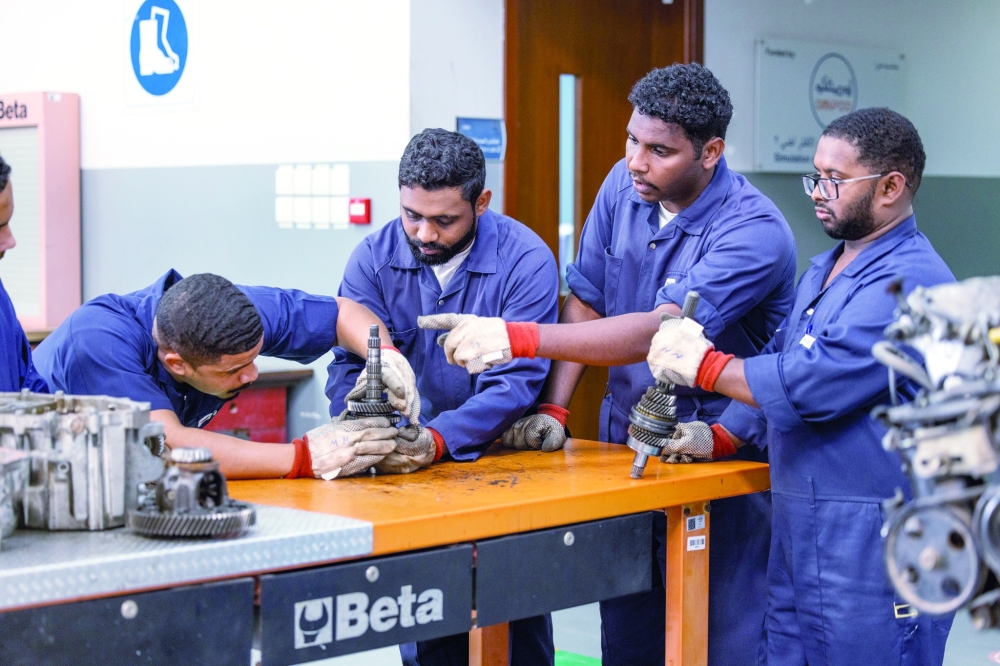
She said vocational training has evolved beyond providing specific technical skills to encompass curriculum development, practical training, institutional governance, staff development, infrastructure and stronger partnerships with the private sector.
The updated development plan includes 20 projects linked to the Eleventh Five-Year Plan, with an allocation of RO 20 million. The projects are intended to strengthen the quality of training and improve the ability of vocational colleges to respond to changing labour market requirements.
Al Rawahi said the development plan builds on work that began in 2021, when a joint working group was formed to prepare an integrated plan for developing the vocational training system. A comprehensive plan completed in 2022 included 39 projects estimated at RO 35 million.
She noted that some initiatives that did not require additional funding were subsequently implemented, alongside efforts to improve quality, assess international practices and enhance institutional performance.
The ministry redirected efforts in January 2026 towards updating the development plan and linking it to the 11th Five-Year Plan, ensuring that projects and resources are aligned with national development priorities.
Al Rawahi stressed that updating programmes and specialisations must be a continuous process based on indicators of demand for skills and professions. She said the focus should increasingly shift from responding to existing labour market needs to anticipating future jobs and the skills they will require.
She identified the private sector as a key partner in the next phase, particularly in identifying required skills and supporting practical training. Closer cooperation between vocational colleges and employers, she said, could help narrow the gap between training outcomes and workplace requirements.
During the first half of 2026, vocational colleges implemented 71 training programmes and courses benefiting 1,062 people, while signing five cooperation programmes with relevant organisations and adopting six institutional policies.
The ministry is also upgrading college facilities and equipment, including computers, occupational health and safety measures, maintenance and operational procedures. Staff development is being supported through specialised training, internal workshops and national scholarship and qualification programmes.
Al Rawahi said the vocational training system is ultimately aimed at building human capital and supporting economic development by equipping Omanis with technical and applied skills suited to the needs of different sectors.
She added that the future vision is to create a more flexible training system that links knowledge with practical application, encourages innovation and strengthens partnerships with employers, in line with the objectives of Oman Vision 2040 and national development priorities. - ONA
Oman Observer is now on the WhatsApp channel. Click here